

The harbour bridge will be closed to traffic between 23:00 and 05:00 on the nights of 27 and 28 October for a routine inspection. Buses will use the ring road, and pedestrians and cyclists can still cross.

https://demo.aeonnews.app/infrastructure/harbour-bridge-closes-overnight/
Closed to traffic 23:00–05:00 on 27 and 28 October. Pedestrians and cyclists can still cross.
The harbour bridge will be closed to traffic between 23:00 and 05:00 on the nights of 27 and 28 October for a routine inspection. Buses will use the ring road, and pedestrians and cyclists can still cross.

https://demo.aeonnews.app/infrastructure/late-ferry-to-the-outer-islands-stays-through-the-winter/
Residents won: the council keeps the 23:40 departure all winter.

The harbour council voted on Tuesday to keep the late ferry to the outer islands through the winter, after a petition signed by more than two thousand residents.
The ferry operator welcomed the decision on social media.
just setting up my twttr
— jack (@jack) March 21, 2006
The route has run since 1958 and carries about 410,000 passengers a year. Read more in our guide to the islands.
The timetable takes effect on 1 November.
Runs since 1958 between the city quay and four outer islands. About 410,000 passengers a year. Battery-powered since 2024.
https://demo.aeonnews.app/infrastructure/ferry-operator-adds-night-departures/
Extra crossings at 00:30 on Fridays and Saturdays, at no extra cost for season-ticket holders.


The island ferry operator will add two extra night departures from 1 November, a week after the harbour council voted to keep the late crossing through the winter.
The new departures leave the city at 00:30 on Fridays and Saturdays, and return from the outer islands at 01:20. The operator says the battery ferry can make the extra round trip on a single charge.
We heard the islanders. A ferry that stops at eleven tells people they cannot have an evening in town.
Ines Moreau, managing director of Harbour Lines
Season tickets will cover the new departures at no extra cost. Single tickets bought after 22:00 will be sold only in the app, because the ticket office closes at that time.
The council's transport committee will review passenger numbers in March before deciding on next winter's timetable.

https://demo.aeonnews.app/infrastructure/night-ferry-adds-quiet-cabins-for-families-and-shift-workers/

A regional ferry operator is testing simpler quiet cabins and flexible tickets aimed at passengers who use the overnight crossing as part of an ordinary commute.
A regional ferry route has converted part of its overnight passenger deck into quiet cabins for families, hospital staff and other travellers who need rest rather than entertainment during the crossing.
The cabins use durable materials and adjustable lighting but avoid the pricing model of conventional premium accommodation. Passengers can reserve a bunk together with a flexible onward bus ticket.
Transport planners say the trial reflects a change in how the route is used. More passengers now combine the ferry with rail or regional buses, while a growing number of shift workers travel outside the traditional holiday season.

The operator has also moved loud announcements away from the quiet section and introduced a staffed assistance point near the boarding ramp. Bicycle spaces can be reserved without purchasing a separate vehicle ticket.
Passenger feedback will be collected through the autumn timetable. If demand remains steady, a second vessel will receive the same cabin layout before next summer.
Cabin ventilation is individually adjustable within a narrow range, and corridor lighting is dimmed after departure. Families can reserve adjacent bunks without purchasing an entire compartment, which the operator says keeps the service accessible outside the holiday market.
The trial also coordinates the first morning bus with the ferry arrival. Passengers said a comfortable crossing had limited value when a minor delay left them waiting an hour for onward transport.
The reporting behind “Night ferry adds quiet cabins for families and shift workers” also points to a broader question for Infrastructure: how a promising local initiative can become dependable enough to survive beyond its first season. Organisers are documenting costs, staffing needs and practical obstacles so that later decisions can be based on evidence rather than enthusiasm alone.
People involved in the work say the next stage will be deliberately measured. Instead of announcing a rapid expansion, the partners will compare participation, quality and day-to-day reliability over several months. That should make it easier to identify which parts deserve further investment and which need to be redesigned.
Access is another part of the evaluation. The project will be judged not only by headline numbers, but by whether people of different ages, incomes and levels of experience can use it without unnecessary barriers. Clear information, predictable opening times and affordable participation are all included in the review.
Independent researchers and community representatives have been invited to challenge the early findings. Their role is to test optimistic assumptions, speak with people who chose not to participate and examine any unintended effects that may be hidden by an encouraging launch period.
Funding for the immediate follow-up has been secured, although longer-term decisions remain open. A public progress report is expected after the next full operating cycle, with the underlying measurements published alongside the conclusions wherever privacy and commercial agreements allow.
For residents, the value of the experiment may ultimately be quite practical. If the approach works, it offers a model that other neighbourhoods can adapt without copying every detail. If it falls short, the transparent evaluation should still provide useful lessons about what a stronger version would require.
https://demo.aeonnews.app/infrastructure/apartment-retrofit-fund-targets-draughty-postwar-suburbs/
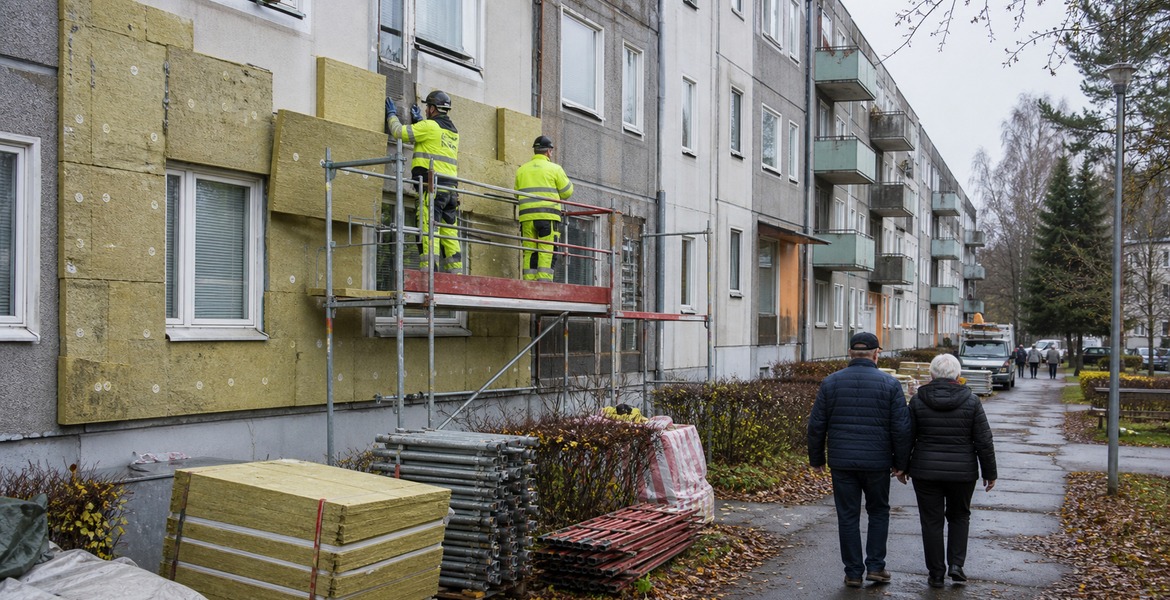
A fictional apartment retrofit fund is targeting draughty postwar suburbs with high heating costs.
A fictional retrofit fund will prioritize apartment blocks where residents face high heating costs and poor indoor comfort.
The grants cover insulation, ventilation balancing and window upgrades, with rent increases capped during the payback period.
Tenant groups welcome the focus on comfort but want stronger oversight of contractors.

Municipal officials say the first buildings were chosen using energy bills, complaints and maintenance records.
Applications are ranked using measured heat loss, resident income and the condition of shared building systems. The fund combines insulation grants with ventilation checks to avoid creating new moisture problems.
Housing associations must report actual energy use for two winters after completion, allowing the programme to compare promised and delivered savings.
Residents will receive a plain-language renovation plan before work begins, including expected disruption, ventilation changes and the method used to calculate rent effects. A tenant adviser can request corrections where the building record is incomplete.
The fund reserves part of its budget for follow-up repairs. That is intended to prevent a common failure in which insulation is installed but poorly adjusted heating or ventilation systems erase much of the expected benefit.
The reporting behind “Apartment retrofit fund targets draughty postwar suburbs” also points to a broader question for Infrastructure: how a promising local initiative can become dependable enough to survive beyond its first season. Organisers are documenting costs, staffing needs and practical obstacles so that later decisions can be based on evidence rather than enthusiasm alone.
People involved in the work say the next stage will be deliberately measured. Instead of announcing a rapid expansion, the partners will compare participation, quality and day-to-day reliability over several months. That should make it easier to identify which parts deserve further investment and which need to be redesigned.
Access is another part of the evaluation. The project will be judged not only by headline numbers, but by whether people of different ages, incomes and levels of experience can use it without unnecessary barriers. Clear information, predictable opening times and affordable participation are all included in the review.
Independent researchers and community representatives have been invited to challenge the early findings. Their role is to test optimistic assumptions, speak with people who chose not to participate and examine any unintended effects that may be hidden by an encouraging launch period.
Funding for the immediate follow-up has been secured, although longer-term decisions remain open. A public progress report is expected after the next full operating cycle, with the underlying measurements published alongside the conclusions wherever privacy and commercial agreements allow.
For residents, the value of the experiment may ultimately be quite practical. If the approach works, it offers a model that other neighbourhoods can adapt without copying every detail. If it falls short, the transparent evaluation should still provide useful lessons about what a stronger version would require.
The editorial team will return to the story as the evidence develops. That follow-up matters because early success can look different once routines, budgets and public expectations settle into place. Readers with direct experience of the initiative are being invited to share observations that can be checked and included in later reporting.