On paper, the council's decision is small: one departure kept, two added at weekends. In practice it changes who can live on the islands.
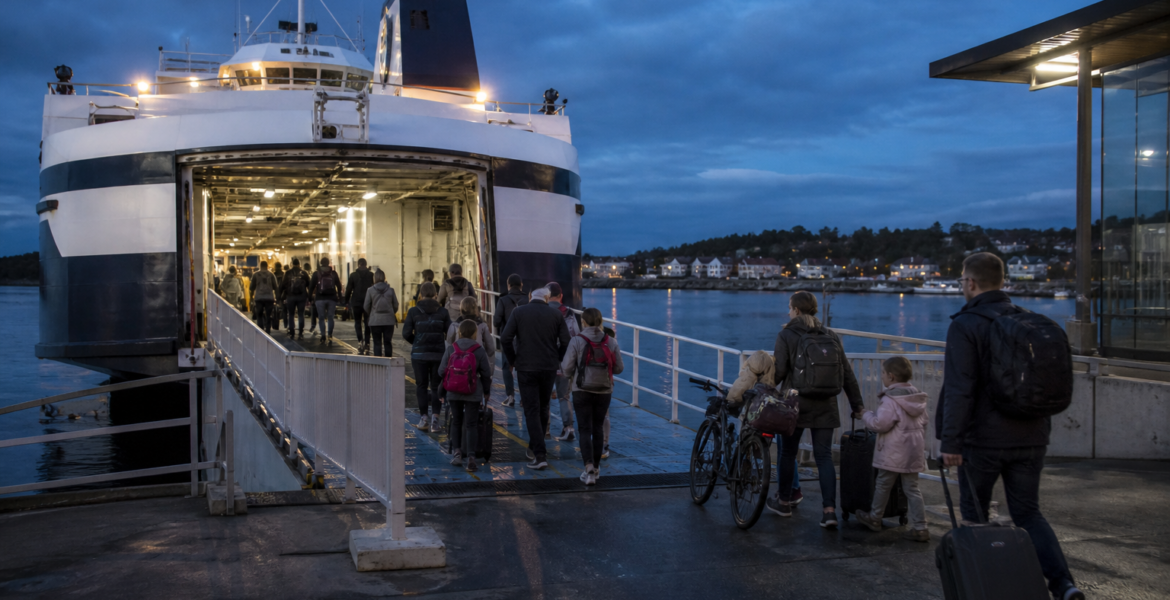
Three groups depend on the late boat. Hospital and restaurant staff who finish after ten. Teenagers who go to school in the city and want to stay for evening activities. And older residents who no longer drive and come to town for concerts, the cinema or a meal.
Without a late ferry, each of those groups faces the same choice: leave early, stay the night, or move. Island schools have lost a quarter of their pupils in fifteen years, and the island association links part of that to the timetable.
The costs are modest by comparison. The operator puts the extra departures at about 180,000 euros a year, less than the council spends on the harbour's Christmas lights.
The real test comes in March, when the passenger numbers are counted. If the late boats run half-empty, the debate will start again. If they fill up, the council will have found a cheap way to keep the islands alive.