BreakingStorm closes every ferry to the outer islands – first departure expected Saturday 07:30
AD:
Aeon Daily fictional display advertising campaign

Review: The Last Keeper is a quiet novel that stays with you

Clara Wennberg writes the weather better than most writers write people, and the people are good too.

Published October 22, 2026 – By Sophie Grant
A restored coastal trail winding through green dunes beside the sea
Sophie Grant
Reporter

Nothing much happens in Clara Wennberg's new novel, and that is its strength. The Last Keeper follows a lighthouse keeper on a northern island through the winter before the light is automated.

Wennberg writes the weather better than most writers write people, and the people are good too: the keeper, his estranged daughter who comes to help him pack, and the ferryman who brings the post and stays for coffee.

He had kept the light for thirty-one years. Now it would keep itself, and nobody would know whether it was lonely.

From The Last Keeper

The ending is quiet and exactly right. A book for long evenings, ideally read on an island, waiting for the last boat.

The Last Keeper by Clara Wennberg. Northlight Press, 284 pages.

AD:
Aeon Daily fictional display advertising campaign
Sophie Grant
Reporter
AD:
Subscribe
Notify of
guest
0 Comments
Oldest
Newest Most Voted

Old textile mill becomes year-round rehearsal space

Culture in shared spaces

Published October 20, 2026 – By Maya Collins
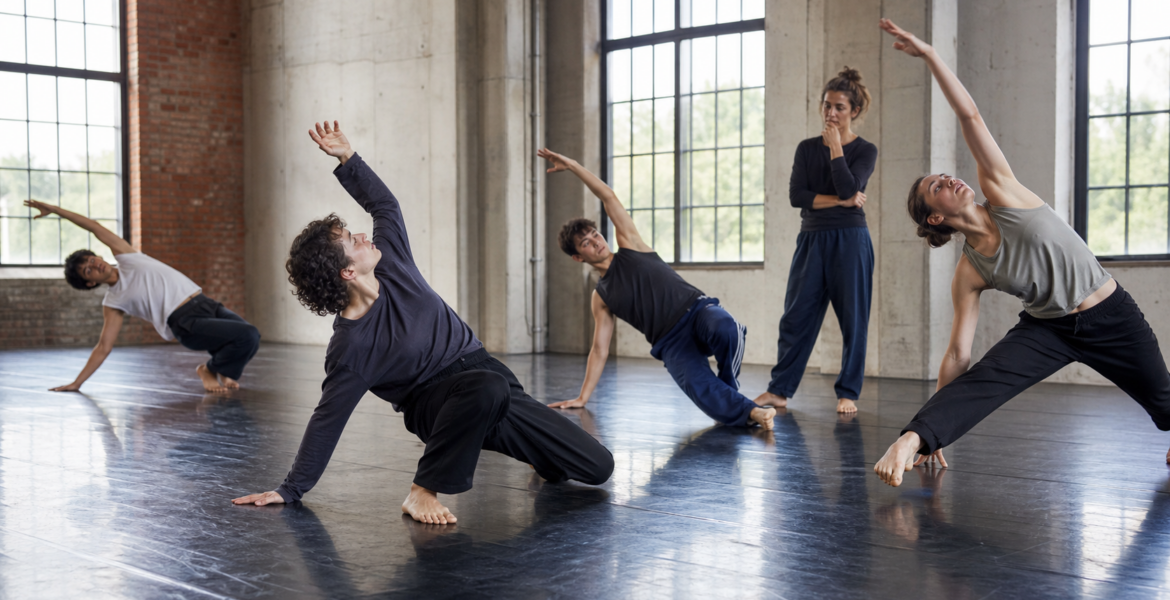
Contemporary dancers rehearsing in a restored industrial hall
A careful conversion gives dancers, musicians and theatre groups an affordable home without erasing the building’s industrial character.

A careful conversion gives dancers, musicians and theatre groups an affordable home without erasing the building’s industrial character.

The long-vacant Alder Mill has reopened as a year-round rehearsal centre after a phased renovation led by local arts organisations. Tall windows, timber columns and traces of the original machinery remain visible, while new sprung floors and acoustic partitions make the rooms practical for daily use.

The project began when independent companies compared waiting lists and realised that many groups were competing for the same few affordable hours. By sharing administration and technical equipment, they were able to make a larger building viable.

Dancers rehearsed in the main hall on opening day as a youth orchestra worked two floors above. Sound locks between rooms kept both sessions focused without making the building feel sealed or institutional.

AD:

A place for participation

A public programme will include open rehearsals, workshops and small performances. Several studios are reserved at reduced rates for emerging artists, with income from larger commercial bookings helping cover the difference.

The result is not a polished monument to industry. It is a working place, scuffed in the right ways, where culture can be made before it is presented.

The reporting behind “Old textile mill becomes year-round rehearsal space” also points to a broader question for Culture: how a promising local initiative can become dependable enough to survive beyond its first season. Organisers are documenting costs, staffing needs and practical obstacles so that later decisions can be based on evidence rather than enthusiasm alone.

People involved in the work say the next stage will be deliberately measured. Instead of announcing a rapid expansion, the partners will compare participation, quality and day-to-day reliability over several months. That should make it easier to identify which parts deserve further investment and which need to be redesigned.

The next chapter

Access is another part of the evaluation. The project will be judged not only by headline numbers, but by whether people of different ages, incomes and levels of experience can use it without unnecessary barriers. Clear information, predictable opening times and affordable participation are all included in the review.

Independent researchers and community representatives have been invited to challenge the early findings. Their role is to test optimistic assumptions, speak with people who chose not to participate and examine any unintended effects that may be hidden by an encouraging launch period.

Funding for the immediate follow-up has been secured, although longer-term decisions remain open. A public progress report is expected after the next full operating cycle, with the underlying measurements published alongside the conclusions wherever privacy and commercial agreements allow.

For residents, the value of the experiment may ultimately be quite practical. If the approach works, it offers a model that other neighbourhoods can adapt without copying every detail. If it falls short, the transparent evaluation should still provide useful lessons about what a stronger version would require.

The editorial team will return to the story as the evidence develops. That follow-up matters because early success can look different once routines, budgets and public expectations settle into place. Readers with direct experience of the initiative are being invited to share observations that can be checked and included in later reporting.


Community ceramics weekend opens studios across the city

Culture in shared spaces

Published October 19, 2026 – By Maya Collins
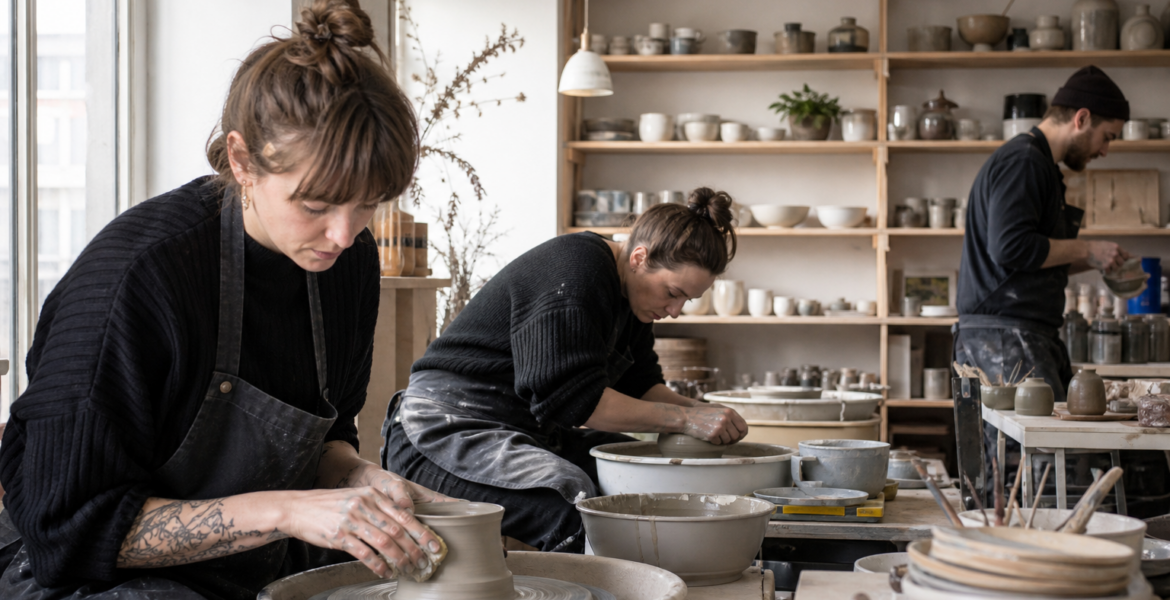
Potters work together in a bright Nordic ceramics studio.
Potters are inviting visitors behind the scenes for demonstrations, shared meals and a closer look at contemporary craft.

Potters are inviting visitors behind the scenes for demonstrations, shared meals and a closer look at contemporary craft.

More than thirty ceramic studios will open their doors this weekend, offering visitors a route through workshops that are usually hidden behind courtyards, shopfronts and former warehouses. The programme ranges from wheel throwing and tile making to experimental glazes fired with local ash.

The event grew from an informal map shared among makers. This year organisers have added timed demonstrations and accessible shuttle stops so that visitors can explore several neighbourhoods without rushing.

Many studios will show unfinished work as well as polished pieces. Artists say that seeing clay collapse, crack and return to the wheel gives a more honest picture of craft than a conventional display.

AD:

A place for participation

Community kilns and adult education centres are also participating, with short sessions for people who have never handled clay. Food stalls and long shared tables will turn two courtyards into temporary gathering places.

The weekend is free, though some workshops require booking. Organisers hope visitors leave with an appreciation not only for the objects but for the patience, heat and collective infrastructure behind them.

The reporting behind “Community ceramics weekend opens studios across the city” also points to a broader question for Culture: how a promising local initiative can become dependable enough to survive beyond its first season. Organisers are documenting costs, staffing needs and practical obstacles so that later decisions can be based on evidence rather than enthusiasm alone.

People involved in the work say the next stage will be deliberately measured. Instead of announcing a rapid expansion, the partners will compare participation, quality and day-to-day reliability over several months. That should make it easier to identify which parts deserve further investment and which need to be redesigned.

The next chapter

Access is another part of the evaluation. The project will be judged not only by headline numbers, but by whether people of different ages, incomes and levels of experience can use it without unnecessary barriers. Clear information, predictable opening times and affordable participation are all included in the review.

Independent researchers and community representatives have been invited to challenge the early findings. Their role is to test optimistic assumptions, speak with people who chose not to participate and examine any unintended effects that may be hidden by an encouraging launch period.

Funding for the immediate follow-up has been secured, although longer-term decisions remain open. A public progress report is expected after the next full operating cycle, with the underlying measurements published alongside the conclusions wherever privacy and commercial agreements allow.

For residents, the value of the experiment may ultimately be quite practical. If the approach works, it offers a model that other neighbourhoods can adapt without copying every detail. If it falls short, the transparent evaluation should still provide useful lessons about what a stronger version would require.

The editorial team will return to the story as the evidence develops. That follow-up matters because early success can look different once routines, budgets and public expectations settle into place. Readers with direct experience of the initiative are being invited to share observations that can be checked and included in later reporting.